
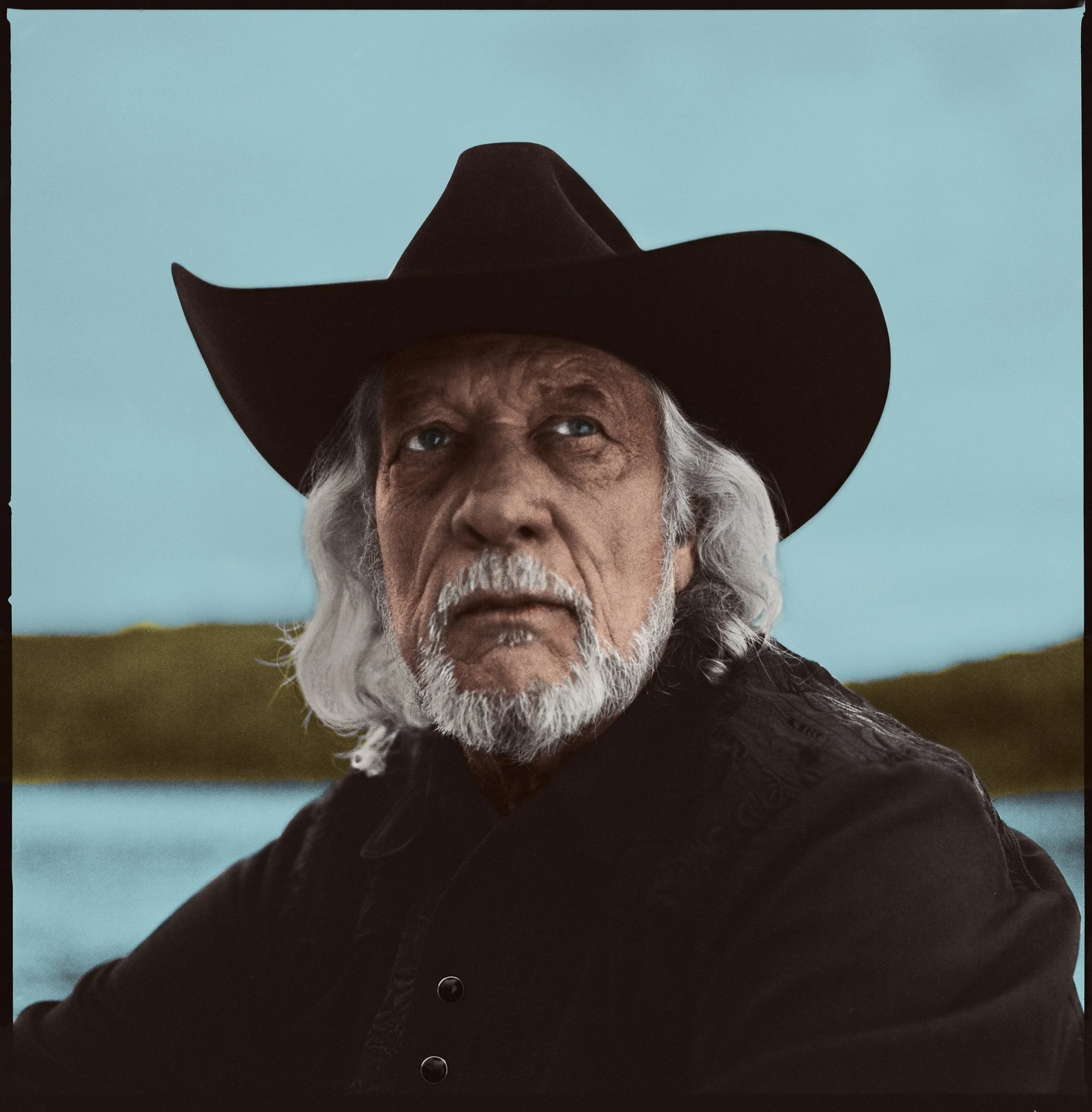

John Anderson’s “Seminole Wind” has received a remarkable honor just six days after the country music legend’s death. Florida Governor Ron DeSantis has officially designated the beloved 1992 song as “Florida’s Anthem.”
The announcement came on Tuesday, October 27, 2026, following an outpouring of tributes to Anderson, who died October 21 at age 71.
For decades, “Seminole Wind” has held a special place in country music. Its haunting melody and powerful storytelling reflect Florida’s natural beauty, Native American history, and changing landscape.
Now, the song has received formal recognition from Anderson’s home state.
However, the tribute extends beyond music. Florida also plans to honor the late singer with historical markers and a wildlife area bearing his name.
Florida Governor Honors John Anderson With Executive Order
Governor Ron DeSantis signed Executive Order 26-222 on October 27, establishing “Seminole Wind” as “Florida’s Anthem.”
The order recognizes Anderson’s contributions to country music and his connection to Florida’s cultural and environmental history.
Anderson grew up in Apopka, Florida, surrounded by the landscapes that would later inspire some of his most meaningful songwriting.
Although he built his career in Nashville, his Florida roots remained an important part of his identity.
The governor’s order acknowledges that connection and highlights how Anderson used his music to celebrate the state’s heritage.
The designation took effect immediately.
It gives “Seminole Wind” a new official recognition while preserving Florida’s existing statutory anthem and state song.
DeSantis also encouraged state lawmakers to consider adding the designation to Florida law.
. @RonDeSantis should consider making “Seminole Wind” the official state song of Florida. John Anderson captured the spirit of this state in his song, and was a native born Floridian. Gov DeSantis, would you consider making that happen? A bunch of us would fly down if you would.
— John Rich🇺🇸 (@johnrich) October 22, 2026
John Anderson Died Just Six Days Before the Announcement
The timing of the announcement made the recognition especially poignant.
John Anderson died on October 21, 2026, at age 71.
His death marked the loss of one of traditional country music’s most distinctive voices.
Anderson was known for his unusual vocal style, emotional storytelling, and ability to blend traditional country influences with his own musical personality.
His best-known recordings include “Swingin’,” “Straight Tequila Night,” “Wild and Blue,” and “Money in the Bank.”
Yet “Seminole Wind” remained one of his most personally meaningful songs.
Unlike many country hits centered on romance or heartbreak, the recording explored the history and environment of the place Anderson called home.
For listeners familiar with his Florida upbringing, the song offered a glimpse into the landscapes and experiences that helped shape him.
Receiving this recognition shortly after his death adds another chapter to his musical legacy.
The Story Behind John Anderson’s “Seminole Wind”
Released in 1992, “Seminole Wind” appeared on Anderson’s album of the same name.
Anderson wrote the song himself.
Its lyrics explore Florida’s changing environment, the destruction of natural habitats, and the history of the Seminole people.
The recording combines traditional country instrumentation with atmospheric storytelling.
Its opening piano melody creates a reflective mood before Anderson begins describing Florida’s landscape.
Rather than celebrating commercial development, the song considers what may be lost when natural places disappear.
The Everglades play a central role in its message.
Anderson also references Osceola, the nineteenth-century Seminole leader remembered for resisting forced removal from Florida.
Those historical and environmental themes helped distinguish the recording from other country hits of its era.
“Seminole Wind” reached No. 2 on Billboard’s Hot Country Songs chart.
Although it did not reach the top position, the recording became one of Anderson’s signature performances.
More than three decades later, its message continues to resonate with listeners concerned about Florida’s natural heritage.
Why “Seminole Wind” Means So Much to Florida
Florida’s landscapes have inspired generations of musicians, writers, and artists.
From the Everglades to Central Florida’s lakes and wetlands, the state’s natural environment remains an important part of its cultural identity.
Anderson’s song captures both the beauty of those places and concerns about their future.
The lyrics reflect on development, environmental change, and the consequences of losing natural habitats.
The recording also acknowledges the Seminole people and their history in Florida.
In the executive order, DeSantis credited the song with helping encourage public appreciation for environmental conservation.
That assessment reflects the governor’s stated rationale for the designation.
The song’s cultural influence is easier to understand through its enduring popularity.
For many longtime listeners, “Seminole Wind” represents a musical connection to Florida’s history and landscapes.
Its new designation formally recognizes that relationship.
John Rich Called for Florida to Honor “Seminole Wind”
The executive order followed a public suggestion from fellow country singer John Rich.
On October 22, one day after Anderson’s death, Rich posted a message encouraging Governor DeSantis to consider making “Seminole Wind” Florida’s official state song.
Rich praised Anderson’s connection to the state and the way his music captured Florida’s identity.
He also expressed interest in traveling to Florida if the governor pursued the proposal.
Five days later, DeSantis announced the executive order.
Although the final designation differs from Rich’s original suggestion, the announcement reflects the broader effort to recognize Anderson’s contribution to Florida’s musical heritage.
The development also shows how quickly the conversation surrounding Anderson’s legacy moved from remembrance to official recognition.
Florida Plans to Name Wildlife Area After John Anderson
The governor’s executive order includes another tribute to the late singer.
It directs Florida’s Department of Environmental Protection to work with the St. Johns River Water Management District to designate the wildlife drive and trail system at Lake Apopka North Shore as the John Anderson Wildlife Drive and Trail System.
The location is particularly meaningful because Anderson grew up in the Apopka area.
Lake Apopka and its surrounding wetlands are part of Central Florida’s natural landscape.
The area supports wildlife and provides opportunities for visitors to experience the region’s environment.
Naming the drive and trail system after Anderson connects his musical legacy with the conservation themes expressed in “Seminole Wind.”
The order establishes the naming directive, although officials have not announced a completion date for every related change.
For visitors, the future designation will offer another way to remember Anderson beyond his recordings.
Historical Markers Will Recognize Anderson in His Hometown
The executive order also directs Florida’s secretary of state to arrange historical markers in Apopka.
These markers are intended to recognize Anderson’s contributions to Florida’s heritage.
The city played an important role in his early life.
Anderson attended Apopka High School before moving to Nashville to pursue a career in music.
His journey eventually took him from local performances to national country music stardom.
Through decades of recording and touring, he remained associated with his Florida upbringing.
The planned markers will help preserve that history for residents and visitors.
They also complement the wildlife-area naming directive by honoring both his personal background and his artistic achievements.
Does “Seminole Wind” Replace Florida’s Existing State Anthem?
Although some headlines describe “Seminole Wind” as Florida’s new official anthem, the legal distinction matters.
Executive Order 26-222 establishes the song as “Florida’s Anthem,” a separate designation created by the governor.
Florida already has a statutory state anthem titled “Florida, Where the Sawgrass Meets the Sky,” written by Jan Hinton.
That anthem was adopted in 2008.
The state also retains “Old Folks at Home,” commonly known as “Swanee River,” as its official state song.
Neither designation was replaced by the October 27 executive order.
Instead, “Seminole Wind” receives an additional recognition.
DeSantis encouraged the incoming Florida Legislature to consider formally including the new designation in Chapter 15 of the Florida Statutes.
As of October 28, 2026, that legislative action had not been confirmed.
John Anderson’s Country Music Legacy Continues
John Anderson’s career spanned nearly five decades.
After moving to Nashville in the 1970s, he developed a distinctive style rooted in traditional country music.
His breakthrough came during the early 1980s with recordings such as “Wild and Blue” and “Swingin’.”
The latter became one of his biggest hits and earned major industry recognition.
Anderson enjoyed another successful period during the early 1990s with songs including “Straight Tequila Night,” “Seminole Wind,” and “Money in the Bank.”
His recordings helped introduce traditional country storytelling to multiple generations.
In 2014, he entered the Nashville Songwriters Hall of Fame.
A decade later, he was inducted into the Country Music Hall of Fame in 2024.
Those honors recognized both his recording career and his songwriting contributions.
Now, Florida’s designation of “Seminole Wind” adds another distinction to his legacy.
A Lasting Tribute to a Florida Country Music Legend
John Anderson spent much of his life sharing stories through music.
Some made audiences laugh.
Others explored love, heartbreak, and the everyday experiences that define country music.
But “Seminole Wind” offered something different.
It reflected his connection to the land, history, and people of Florida.
The song’s official recognition arrives at a time when fans are remembering the artist behind its unforgettable melody.
For Anderson’s family and longtime listeners, the announcement represents another public acknowledgment of his contributions.
The planned wildlife-area designation and historical markers will also help preserve his connection to Apopka.
John Anderson may no longer be here to see this honor, but “Seminole Wind” will continue carrying his voice and his love for Florida into the future.
And for generations of country music fans, the song will remain a reminder of an artist whose music meant far more than chart positions.
Today I issued an Executive Order designating “Seminole Wind” by John Anderson as the official anthem of Florida.
I have also directed the @FLSecofState to erect historic markers in the City of Apopka depicting John Anderson’s contribution to Florida’s heritage.
In addition, I have tasked @FLDEPNews to work with the @SJRWMD to designate wildlife drive and trail system within Lake Apopka North Shore as the John Anderson Wildlife Drive and Trail System.
— Ron DeSantis (@RonDeSantis) October 27, 2026
Do you believe “Seminole Wind” deserves this special recognition? What is your favorite John Anderson song? Share your thoughts in the comments.