
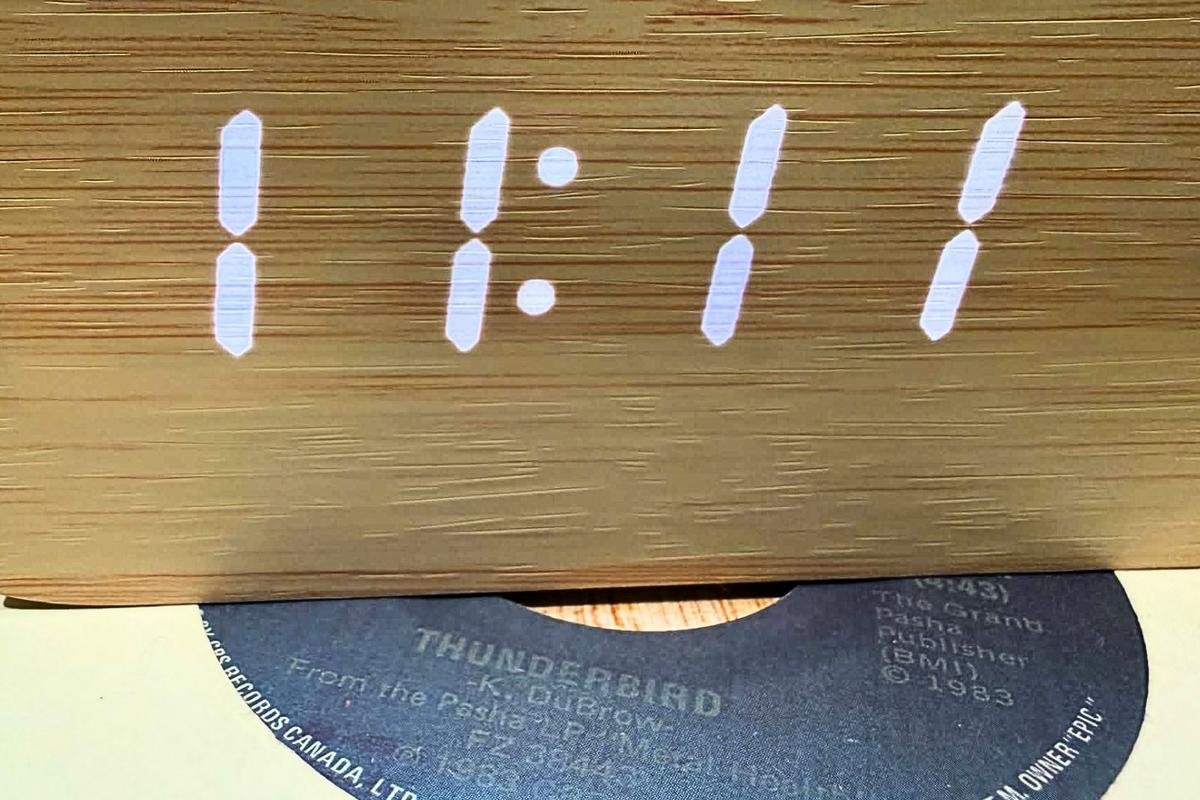

In a whimsical nod to childhood nostalgia, discussions about making wishes at 11:11 have resurfaced, drawing attention to the innocent rituals of earlier decades.
For many who grew up in the ’70s and ’80s, the significance of observing the clock strike 11:11 transcended mere coincidence; it was a moment steeped in magical thinking. This phenomenon, where children engage in behaviors they believe could influence their surroundings, has resurged in popular culture thanks to social media and nostalgic reflections. These childhood practices often included making wishes or performing rituals to ward off bad luck, driven by a sense of community belief and personal conviction.
Myths and Rituals from a Bygone Era
The enchanting myths of youth were shaped significantly during the ’80s, a time when media began to heavily influence societal norms and beliefs. Amidst the era’s entertainment boom, fears regarding hidden evils, often labeled as part of the “Satanic Panic,” led children to create their own narratives surrounding popular culture. For example, the rock band Kiss became the center of speculation, with rumors suggesting that their name harbored a more sinister meaning. Neighbors would exchange tales of playing records backward to “hear the devil’s voice,” amplifying the air of mystery and intrigue.
While many of these beliefs were straightforward and often whimsical, others were surprisingly charming or even rooted in reality. The act of wishing at 11:11 remains a fond memory for many, with some still practicing this ritual today. Such reflections highlight the innocent yet formative experiences that shaped a generation.
Reflecting on Childhood Innocence
The rediscovery of these childhood practices serves as a reminder of the simple joys and beliefs that unified many during their formative years. From fearing the ghostly figure of Bloody Mary to lifting feet over railroad tracks, these rituals evoke a sense of shared experience and innocence that resonates with audiences today.
As nostalgia continues to dominate popular conversations, engaging with these childhood myths may encourage a deeper understanding of how such beliefs crafted the imaginative landscapes of our youth.