
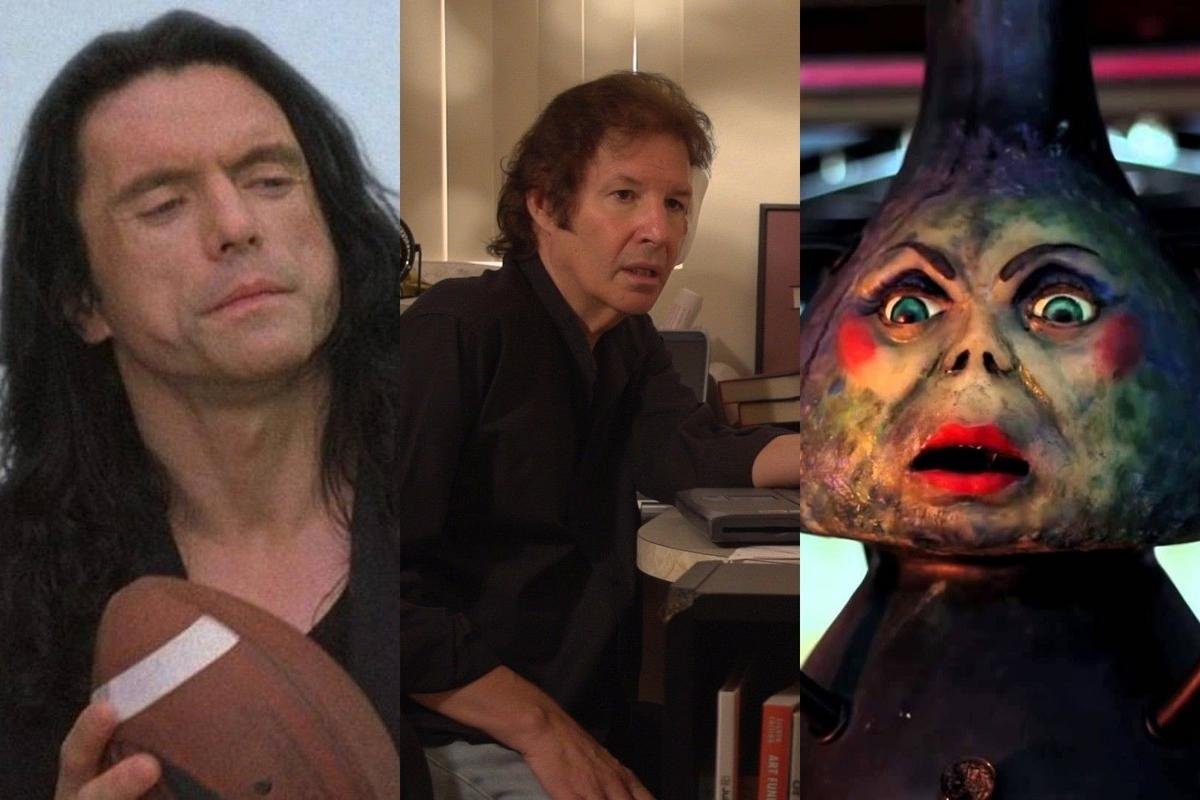

In a cinematic landscape saturated with mediocrity, a unique roster of directors consistently delivers films that are infamous for their lack of quality, much to the delight of audiences seeking unintentional comedy.
While Hollywood often aims for artistry, some filmmakers create works that can only be described as “so bad it’s good.” Through various reasons, directors such as these have developed a reputation for producing consistently questionable content that plays to the whims of viewers yearning for entertainment that defies convention. Their films serve as a reminder that sometimes, the joy of cinema lies in the sheer absurdity of it all.
Recognizing the Masters of Bad Cinema
Despite a trend where one might expect bad directors to be relegated to the sidelines, many such filmmakers continue to make movies, illustrating a curious resilience within the industry. Perhaps this reflects a lack of stringent oversight in Hollywood or highlights the awkward charm of failed ambition. In some instances, these directors approach their craft with genuine intention, aspiring to create meaningful art, only to fall short.
Fans of these directors often harbor a complex affection for their work, relishing the hilariously incompetent films that emerge. The challenge of crafting a truly terrible movie requires a distinct kind of talent, acknowledging that entertainment does not always equate to quality—sometimes, it simply needs to invoke laughter or disbelief.
The Allure of the Bad Film
These directors, affectionately dubbed “masters of bad cinema,” continue to thrive in Hollywood’s unpredictable environment. Their movies become collective experiences for audiences who gather to witness the spectacle of cinematic failure. This ongoing fascination with poorly executed films invites viewers to lean into the joy of schlock, fostering a unique community that values humor over craftsmanship.
As long as cinematic missteps attract attention, the legacy of these directors is unlikely to wane. Their films promise memorable nights filled with laughter, proving that in art, sometimes the most entertaining outcomes arise from the desire to fail spectacularly.