
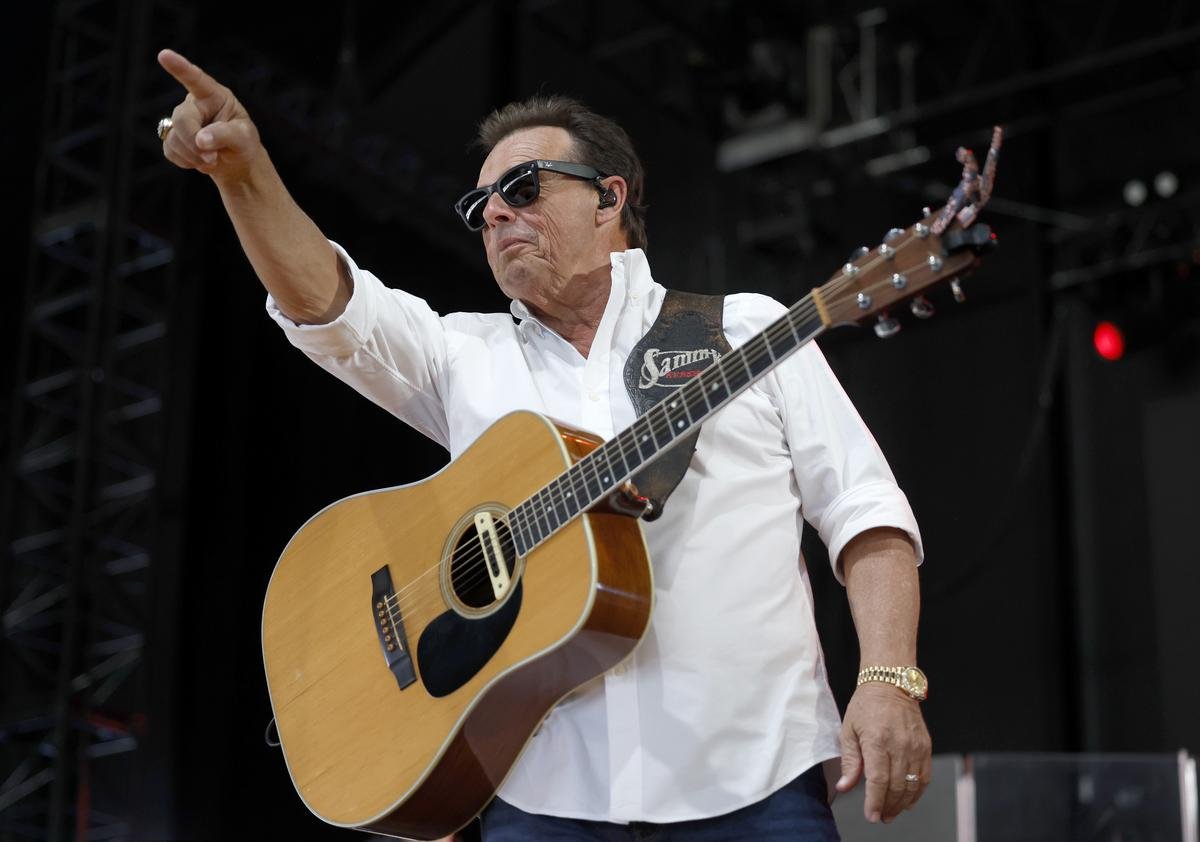

Sammy Kershaw’s recent exclusion from the CMA Awards red carpet has ignited a debate within the country music community, revealing broader frustrations with the industry’s recognition practices.
On November 6, Kershaw expressed his disappointment after being denied access to the red carpet ahead of the 2026 CMA Awards, scheduled to air on ABC on November 18 at 8 PM ET. In response to the uproar, the Country Music Association quickly reversed its decision, allowing Kershaw and his wife, Mendy, to participate in the event.
Industry Backlash and Apologies
The response from the CMA came after several days of discussion and complaints voiced by other artists, including Rodney Atkins, who claimed to have faced similar treatment. The incident sparked a larger conversation about the competitive nature of industry awards and the standards that determine who gets recognition.
Ironically, Kershaw’s initial exclusion may have propelled him into the spotlight more effectively than a straightforward red carpet appearance would have, fostering discussions about the treatment of legacy artists. Notably, seven-time CMA Award winner Mark O’Connor commented on the humiliating experience of red carpet visibility for lesser-known artists, suggesting that Kershaw might have faced similar challenges, given his current streaming numbers and lack of recent releases.
Despite the controversy, Kershaw appeared unfazed, stating that he had already achieved peace with the possibility of not attending future CMA events. The charges from fellow artists, such as Doug Stone and Mark Chesnutt, along with comments from Tim Rushlow about the necessity of paying for attendance, highlight an ongoing struggle among performers seeking visibility in an increasingly commercialized environment.
Contemporary Artists Rally
Unexpectedly, many contemporary artists stepped forward to support Kershaw, including Riley Green and Carly Pearce. Their vocal advocacy reflects a growing division within the industry, questioning the motivations of major awards organizations. Such dissent is particularly notable, given the potential career risks associated with opposing the CMA publicly.
Fans and industry insiders alike are pondering the implications of this situation. With an increasing number of artists choosing to forgo award shows altogether, the landscape of country music awards may be shifting. As artists now possess platforms to directly engage with their audience, their voices could reshape the industry’s future, making transparency and genuine engagement paramount. Kershaw’s situation could be the first of many as more artists seek to assert their place in a system they find wanting.