
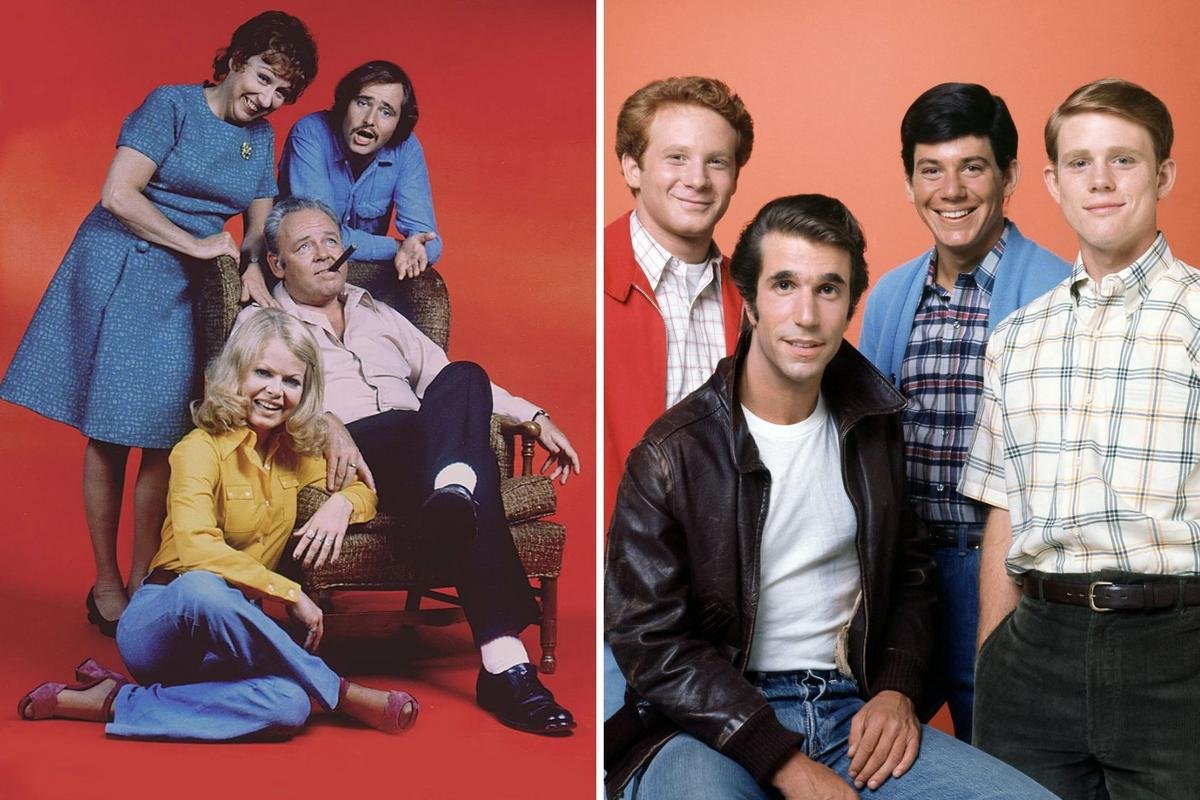

The landscape of television in the 1970s was defined by an unforgettable selection of iconic sitcoms, with shows like All in the Family and M*A*S*H leading the charge in cultural conversation.
This transformative decade witnessed a shift from lighthearted, rural-themed programming to groundbreaking narratives tackling pressing social issues. As networks sought to attract a more urban audience, such shows not only entertained but also reflected the complexities of American life.
The Era of Change
In the early ’70s, CBS was dominated by what was known as “country” programming, featuring hit shows like Hee-Haw and The Beverly Hillbillies. However, realizing the need for a refresh, the network initiated the so-called “rural purge,” clearing the schedule of popular yet traditional fare to make way for more contemporary narratives.
This paved the way for a new wave of sitcoms spearheaded by creators like Norman Lear, who introduced audiences to shows that blended humor with critical commentary on race, gender, and the zeitgeist of the nation. Series like All in the Family and The Jeffersons emerged as vital platforms for addressing social issues, paving the way for sitcoms as we know them today.
Highlights of 1970s Sitcoms
To understand this evolution, it’s essential to consider the top-tier sitcoms that defined the era. The selection criteria for these shows include their debut in the ’70s, significant viewership, innovative storytelling, and lasting cultural impact.
- Born in the ’70s: Each show must have originated in this influential decade.
- Big Ratings: These series attracted millions of viewers weekly.
- Game Changer: Each one redefined television norms and established new genres.
- The Long Tail: Iconic shows spawned unforgettable catchphrases, spinoffs, and remain integral to popular culture.
Notably, the criterion also includes a unique rule: one show per creator universe. This meant leaving out multiple series from creators like Norman Lear to ensure a diverse selection.
Among the standout series on this esteemed list, UCR Pop Culture highlights the following four:
All in the Family (1971–79)
A revolutionary series that was anything but conventional, All in the Family tackled subjects like race and gender roles, helping to redefine television comedy. With a disclaimer aired at its premiere, the show provoked discussions that were groundbreaking for its time. The Bunkers, led by Carroll O’Connor’s Archie, became iconic, with the series dominating the ratings for five consecutive years. Its new approach to family and societal issues marked a departure from traditional sitcom storytelling.
M*A*S*H (1972–83)
Blending humor with the gravity of wartime experiences, M*A*S*H remains a touchstone of American television. This series, based on a novel and a subsequent film, managed to spin comedy from tragedy, offering a nuanced look at life in a mobile army surgical hospital during the Korean War. Its finale was a monumental television event, attracting over 105 million viewers—a record that stood for decades.
The Mary Tyler Moore Show (1970–77)
Mary Tyler Moore’s portrayal of a single woman in the workplace became an inspirational figure for many. The series addressed feminism and independence, paving the way for future workplace comedies. The show’s theme song and memorable opening credits established a connection with viewers, marking an important cultural milestone in television history.
Happy Days (1974–84)
Set in 1950s Milwaukee, Happy Days captured the nostalgia of a bygone era while introducing characters like Arthur Fonzarelli, who became a pop culture icon. Its mix of humor and heart made it a beloved series, while its spinoffs extended its legacy. Notably, the phrase “jump the shark” originated with the show, highlighting its cultural footprint in the television landscape.
The significant legacy of these sitcoms continues to resonate, reflecting societal changes and influencing generations of viewers and creators alike. As fans revisit these classic shows, their impact on the television industry remains undeniable.