
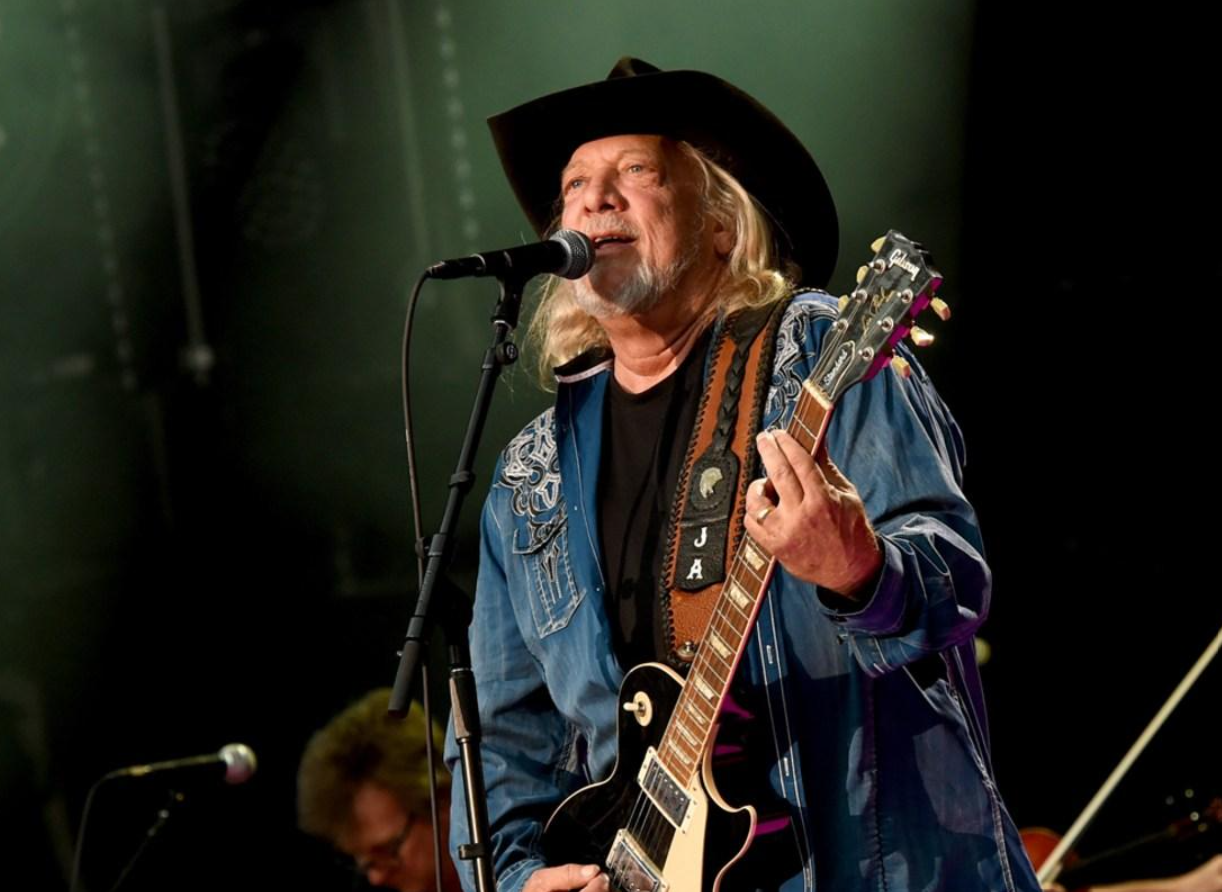

Country music has lost another unforgettable voice. John Anderson, the legendary singer behind “Seminole Wind,” “Swingin’,” and “Straight Tequila Night,” has died at the age of 71.
The heartbreaking news was confirmed by his family on Wednesday, October 21, 2026. Anderson died at his home in Smithville, Tennessee, according to reports citing his representatives.
For nearly five decades, Anderson brought something special to country music. His unmistakable voice, traditional sound, and heartfelt storytelling earned him a place among the genre’s most respected performers.
Now, fans are remembering the songs, performances, and memories he leaves behind.
John Anderson’s Family Confirms His Death at 71
John Anderson’s family announced his passing through his official social media accounts.
Their message remembered him as much more than a famous country singer. Behind the stage lights and chart-topping songs was a devoted husband, father, grandfather, and friend.
The family described Anderson as someone who brought laughter, love, and happiness into their everyday lives.
They also shared how deeply they would miss him and asked for prayers as they faced their loss.
For fans, the announcement marked a heartbreaking farewell to an artist whose music had been part of their lives for decades.
Anderson’s songs accompanied countless road trips, family gatherings, and quiet evenings. His voice became a familiar part of country music history.
What Was John Anderson’s Cause of Death?
Following the announcement, many fans began searching for information about John Anderson’s cause of death.
As of October 22, 2026, his family has not publicly disclosed an official cause of death.
Reports confirmed that Anderson passed away at his Tennessee home on October 21.
Although the singer experienced health challenges earlier in his life, no confirmed information links those experiences to his death.
For now, the focus remains on honoring his remarkable career and respecting his family’s grief.
From a Florida Childhood to Nashville Stardom
John Anderson was born on December 13, 1954, in Orlando, Florida, and grew up in nearby Apopka.
His interest in music began early. By his teenage years, he had developed a passion for singing and performing.
After finishing high school, Anderson moved to Nashville to pursue his dream of becoming a country music artist.
However, success did not arrive immediately.
Before establishing himself as a recording artist, he worked various jobs to support himself. One of those jobs involved construction work on the Grand Ole Opry House.
It was a remarkable beginning for someone who would eventually become a celebrated figure in country music.
Anderson signed with Warner Bros. Records in 1976. His early recordings helped introduce audiences to his distinctive singing style.
By the early 1980s, he had become one of country music’s rising stars.
The Songs That Made John Anderson a Country Music Legend
Few country artists sounded quite like John Anderson.
His expressive vocals blended traditional country influences with an unmistakable personality.
Anderson could deliver a playful, upbeat song and then turn around with a deeply emotional performance.
His biggest hits included:
- “Swingin’” (1983): One of his signature recordings and a major career breakthrough.
- “Wild and Blue” (1982): A memorable hit that showcased his traditional country sound.
- “Black Sheep” (1983): A fan favorite that helped establish his reputation.
- “Straight Tequila Night” (1992): A chart-topping song that introduced him to another generation.
- “Seminole Wind” (1992): One of his most enduring and meaningful recordings.
- “Money in the Bank” (1993): Another major hit during his successful 1990s comeback.
Together, these recordings helped define his career.
Anderson earned 20 Top 10 country hits, including five that reached No. 1.
Yet his appeal extended far beyond chart positions.
Listeners connected with his music because it felt genuine. His performances carried humor, heartbreak, nostalgia, and the unmistakable spirit of traditional country.
Why “Seminole Wind” Remains So Special
Among John Anderson’s many recordings, “Seminole Wind” holds a particularly important place in his legacy.
Released during his successful return to the charts in the early 1990s, the song explored environmental destruction and the changing landscape of Florida.
Its haunting melody and reflective lyrics offered something different from an ordinary country radio hit.
Anderson’s personal connection to Florida gave the performance additional meaning.
For many listeners, the song remains a reminder of his ability to tell powerful stories through music.
It also demonstrated that country music could address serious subjects while remaining deeply personal.
More than three decades later, “Seminole Wind” remains one of the recordings most closely associated with his name.
John Anderson Helped Keep Traditional Country Music Alive
During the 1980s, country music experienced significant changes.
As Nashville explored new sounds, Anderson remained connected to the genre’s traditional roots.
His musical approach reflected the influence of legends such as George Jones, Merle Haggard, and Lefty Frizzell.
Alongside artists including George Strait and Ricky Skaggs, Anderson became associated with country’s new traditionalist movement.
These performers helped introduce classic country sounds to younger audiences.
Anderson’s unusual vocal phrasing and expressive delivery made him instantly recognizable.
He did not need to imitate anyone else.
His distinctive sound became one of his greatest strengths.
A Career Honored by the Country Music Hall of Fame
John Anderson’s achievements extended across several decades.
His recording career produced more than 20 studio albums, beginning with his self-titled debut in 1980.
In 1983, his hit “Swingin’” earned the Country Music Association’s Single of the Year award.
He also received recognition for his participation in the Eagles tribute album Common Thread: The Songs of the Eagles, which won CMA Album of the Year in 1994.
In 2014, Anderson entered the Nashville Songwriters Hall of Fame.
Ten years later, he received one of country music’s greatest honors.
John Anderson was inducted into the Country Music Hall of Fame in 2024.
The recognition celebrated his musical individuality, influential recordings, and lasting contributions to the genre.
His final studio album, Years, arrived in 2020 and reflected the perspective of an artist who had experienced both personal challenges and professional triumphs.
John Anderson Appeared at a Hall of Fame Ceremony Days Before His Death
In a particularly poignant detail, Anderson attended the Country Music Hall of Fame’s Medallion Ceremony on October 18, 2026.
The event took place just three days before his death.
During the ceremony, the Hall of Fame welcomed its newest members, including Tim McGraw, Paul Overstreet, and the Stanley Brothers.
Anderson’s attendance was among his final reported public appearances.
The timing makes that evening especially meaningful for country music fans looking back on his final days.
It also reflected his continuing connection to the musical community that had celebrated his achievements throughout his career.
Country Music Remembers an Irreplaceable Voice
Following Anderson’s death, the Country Music Hall of Fame and Museum recognized his extraordinary musical identity.
Museum CEO Kyle Young praised the way Anderson combined traditional influences with his own creative approach.
Young also recalled Anderson’s recording of Billy Joe Shaver’s “I’m Just an Old Chunk of Coal (But I’m Gonna Be a Diamond Someday).”
That song captured something important about Anderson’s career.
He developed his own musical identity through persistence, originality, and an enduring respect for country traditions.
His voice was different, and that difference became his greatest gift.
Anderson’s influence remains evident in the continued popularity of traditional country storytelling.
Remembering John Anderson’s Family and Personal Legacy
Although millions knew John Anderson through his recordings, his family knew a different side of the singer.
To them, he was a loving husband, father, and grandfather.
He is survived by his wife, Jamie, their daughters, Alexa Kate and Brionna Cheri, and his grandchildren.
Their public statement emphasized that his greatest legacy at home was not measured by awards or record sales.
It was measured by the love he shared and the memories they created together.
That personal tribute adds another dimension to the life of a performer remembered for bringing so much emotion into his music.
John Anderson’s Music Will Live On
John Anderson’s death marks the loss of one of traditional country music’s most distinctive voices.
However, the recordings he leaves behind will continue introducing new listeners to his remarkable talent.
From the playful charm of “Swingin’” to the reflective beauty of “Seminole Wind,” his songs capture different sides of the human experience.
They tell stories about love, laughter, hardship, and the passage of time.
For longtime fans, hearing those familiar melodies will now carry additional emotion.
For younger country music listeners, his catalog offers an opportunity to discover an artist who helped shape the genre.
John Anderson may be gone, but his voice and music will remain part of country music history.
Our thoughts are with his family, friends, and everyone who found comfort or happiness in his songs.
Which John Anderson song means the most to you? Share your favorite memory of this country music legend.